
You Can't Report What You Can't Name
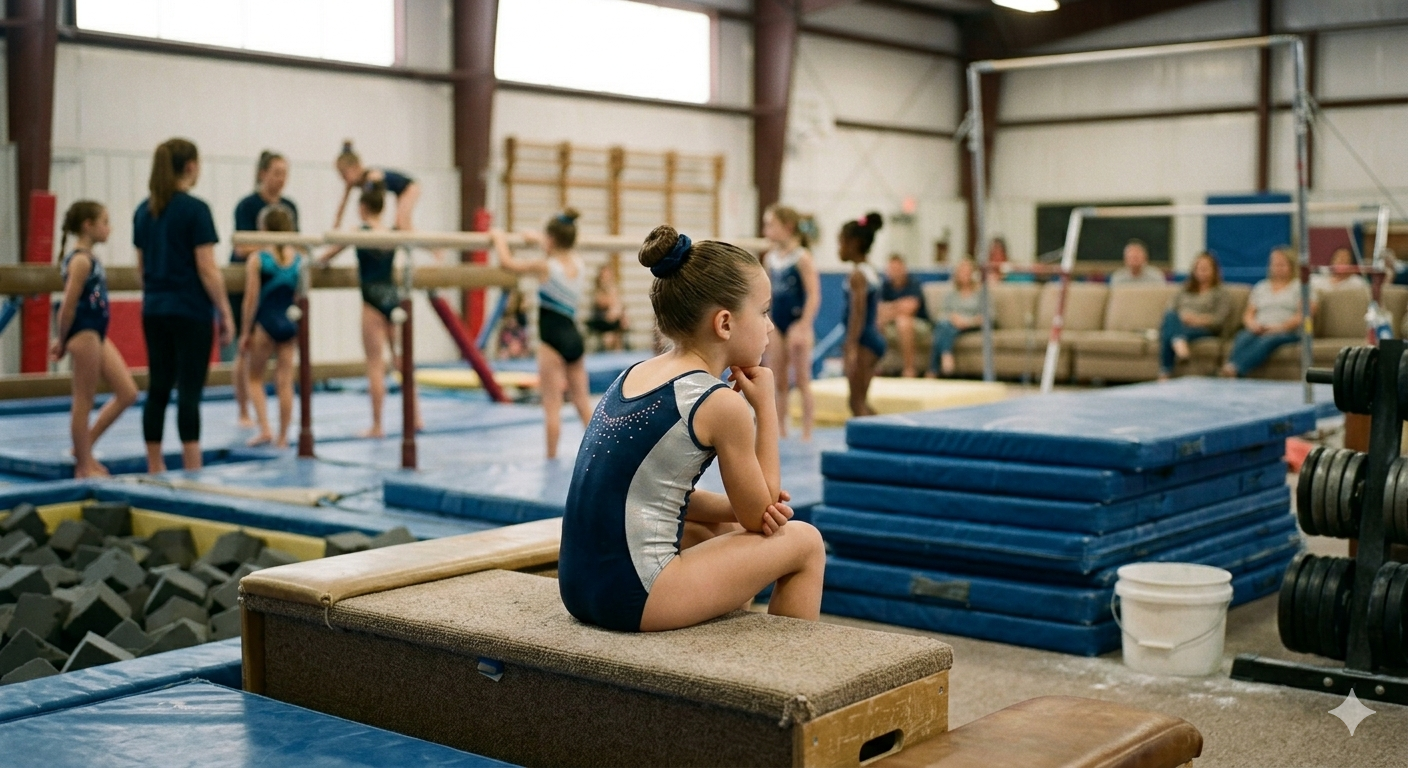
Image created using Google Gemini
Sport Integrity Australia released the first findings from its Hear Me Play study earlier this year. More than 1,000 young Australians aged 12 to 18 were asked about their experiences in sport. What they love about it. What makes them feel safe. And what makes them leave.
I have been sitting with those findings for a while now.
Not because they surprised me. Because they didn't.
The finding that hits hardest
The Hear Me Play report identified something that goes beyond individual incidents. It found that young people who are exposed to negative experiences in sport become more likely to accept poor behaviour as normal.
Read that again.
Exposure to harm, over time, teaches children that harm is acceptable.
This is not a bug in the system. This is the system working exactly as it was built. For generations, Australian sport operated on the assumption that toughness was built through pressure, that discomfort was preparation, and that if you couldn't handle the environment, you weren't cut out for it.
I know this because I was trained inside that assumption.
I trained at the highest level of gymnastics, at the Australian Institute of Sport in Canberra, in an environment where the things that were done to young athletes were not named, not questioned, and not reported, because nobody had given us the language or the permission to do any of those things. What was harmful was reframed as necessary. What was wrong was presented as the price of being serious about sport (and still is by some people still involved)
It took me a very long time, and a legal process, and a national human rights investigation, to be able to name what had happened. And I was not alone.
That delay, that gap between experiencing something and being able to call it what it is, is not a personal failure. It is what happens when systems deliberately or carelessly leave young people without the tools to understand their own experience.
A child cannot report what they cannot name
This is the finding I keep returning to.
The Hear Me Play report found that a key gap for young people in sport is understanding what inappropriate behaviour looks like and knowing when they have the right to speak up.
The National Integrity Framework, the policy architecture designed to protect children and young people in Australian sport, is not written for them to understand or access.
Think about that for a moment. We have built a system of protections for children, and the children it is built for cannot read it.
92% of the young people in the survey said they would be willing to report inappropriate behaviour to someone they trusted. The willingness is there. The instinct toward safety and honesty is there. Which is great! What is missing is the foundation that makes reporting possible: knowing what to report, having the words for it, and believing that the adults around you will take it seriously.
A child cannot report what they cannot name.
And a child who has been taught, through repeated exposure, to accept poor behaviour as normal, may not even recognise that there is something to report.
What this asks of us
The report is a baseline. It is the first year of a five-year longitudinal study, and the findings will sharpen over time as more young people are heard. That is a good thing.
But the baseline is already asking us to act.
It is asking coaches to think about the language we use every day at training. The corrections we give, the standards we set, and crucially, the behaviours we allow to pass without comment. Normalisation does not happen in one dramatic incident. It happens in the accumulation of small moments where nothing is said.
It is asking clubs to look at how their policies are communicated, not just whether they exist.
A safeguarding policy on a website that a parent reads during registration is not the same as a young athlete knowing, in their body and their bones, what they are entitled to expect from the adults responsible for their care.
It is asking parents to have conversations with their children before and after training and competition. Not interrogations. Conversations. Ones that open a door and leave it open.
And it is asking all of us to be the kind of trustworthy adult that 92% of these young people said they would turn to.
The question is whether we are actually building environments where that trust is earned and deserved.
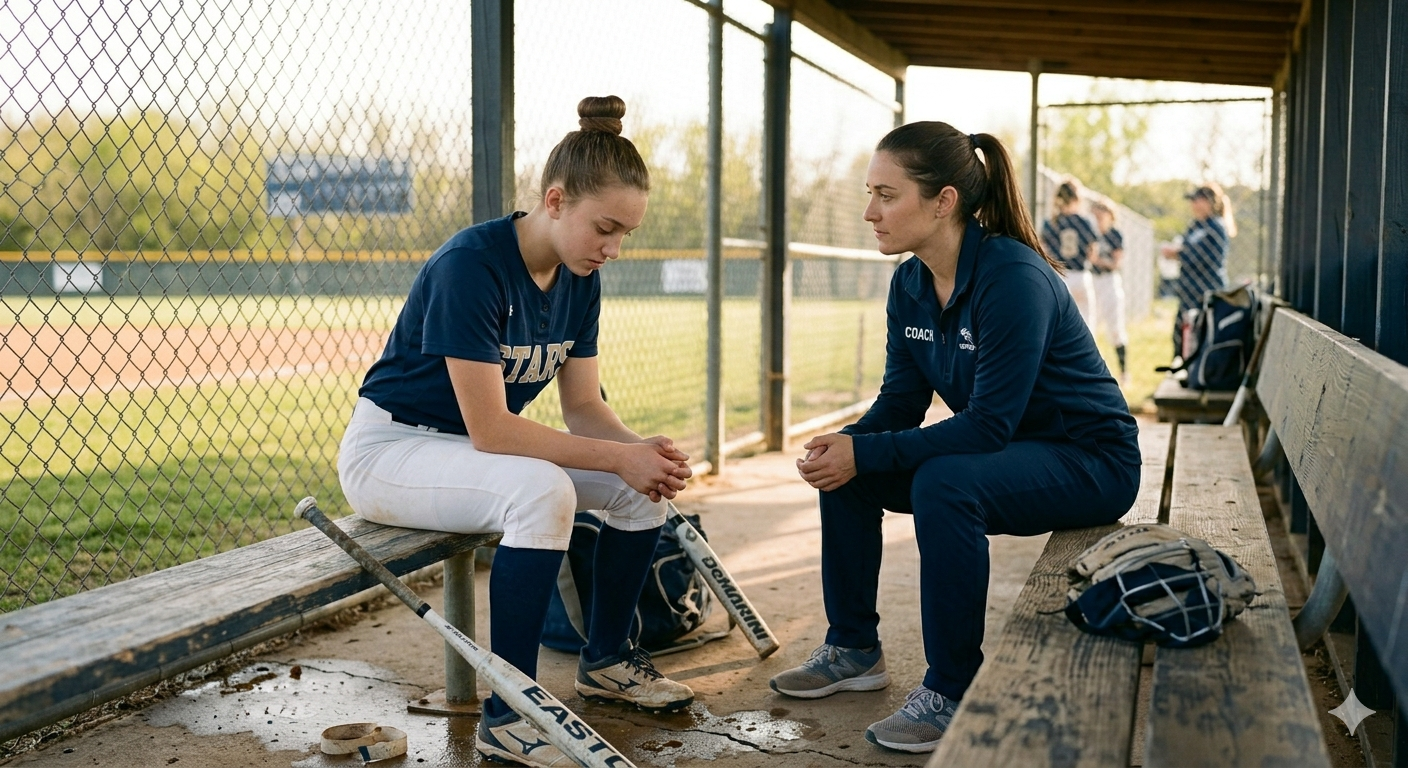
Image created using Google Gemini
Read the report
The full findings from the Hear Me Play study are available through Sport Integrity Australia at sportintegrity.gov.au.
If you work in youth sport, coach children, administer a club, or sit on a committee, it is worth your time.
The children in Australian sport told us what they are experiencing. The least we can do is listen.

